
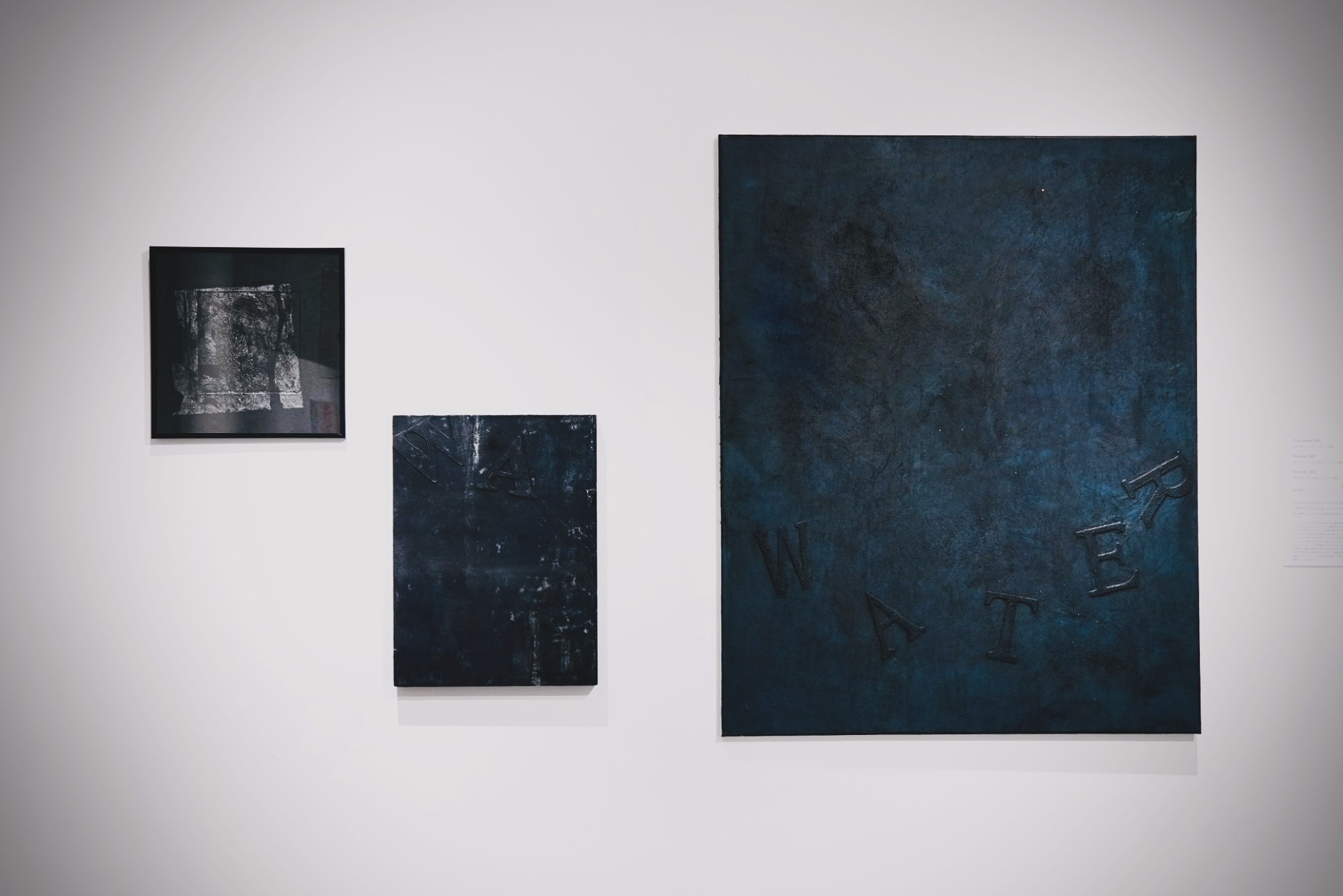
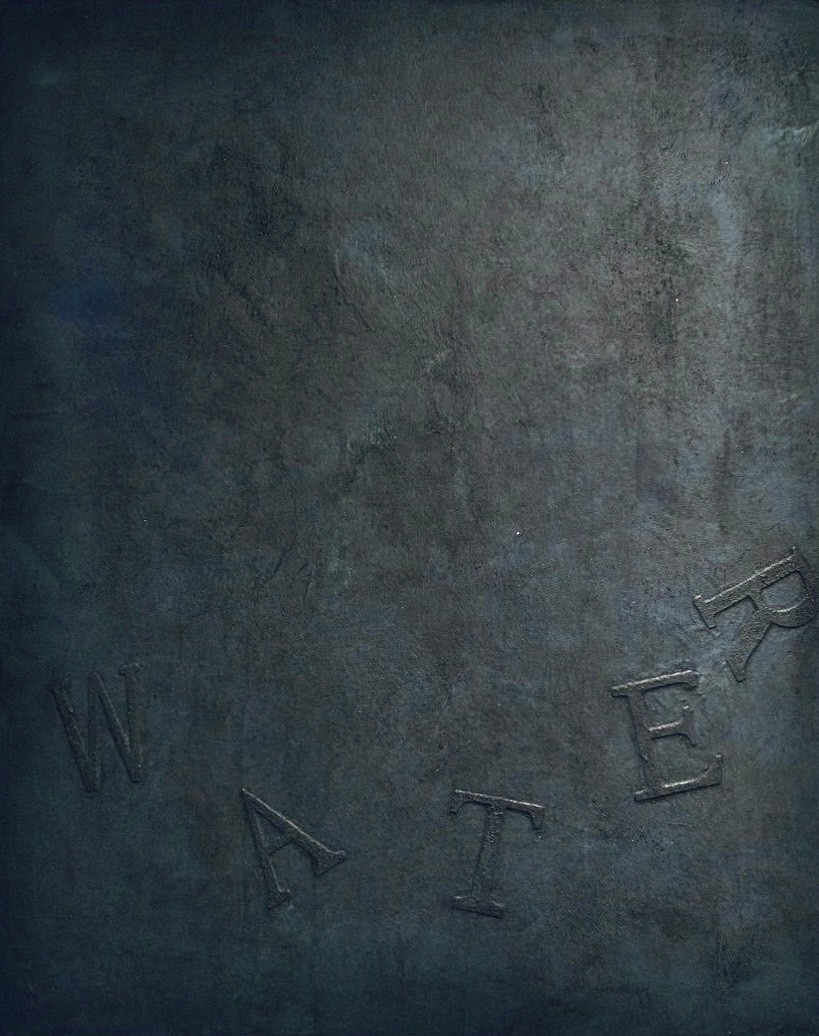
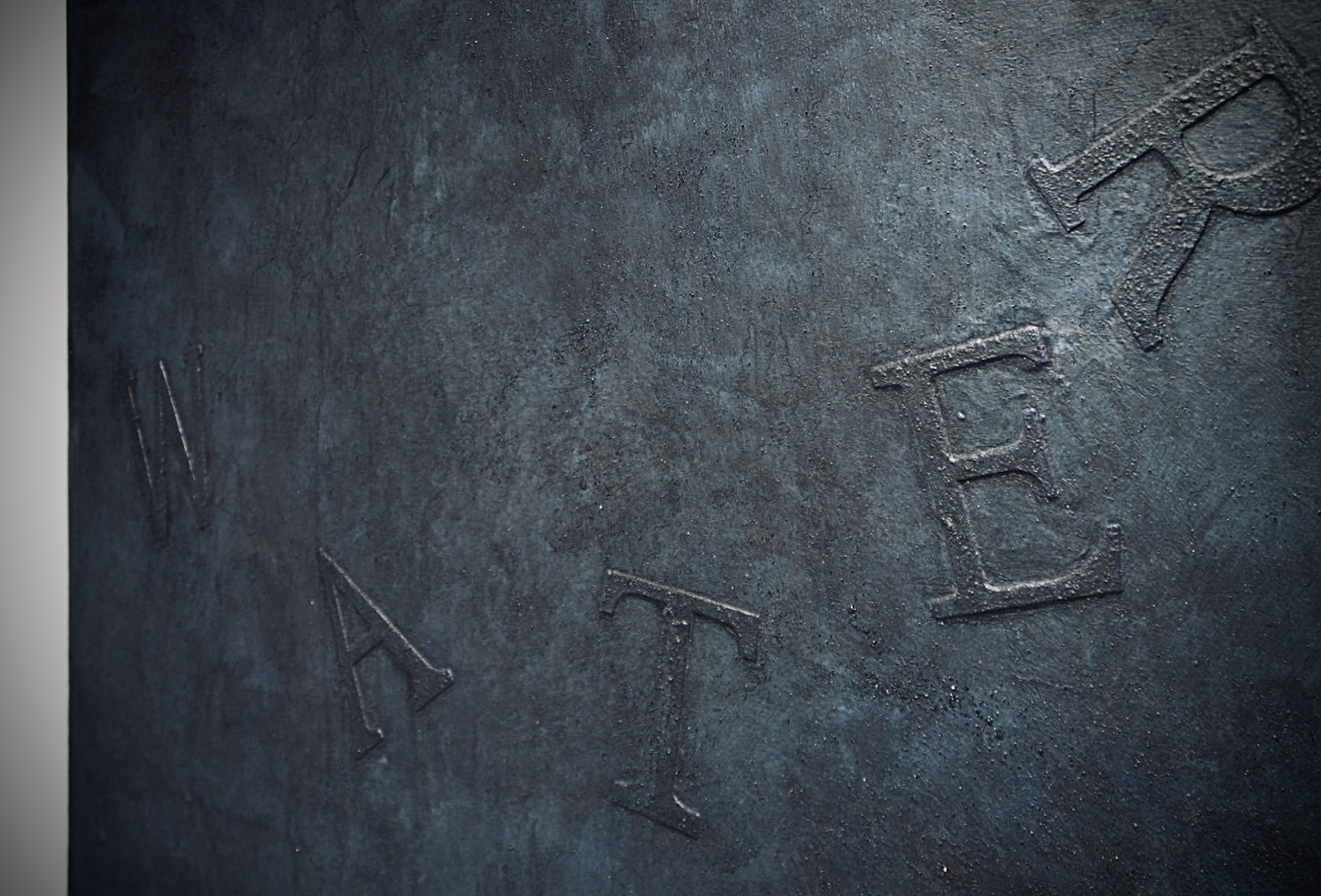
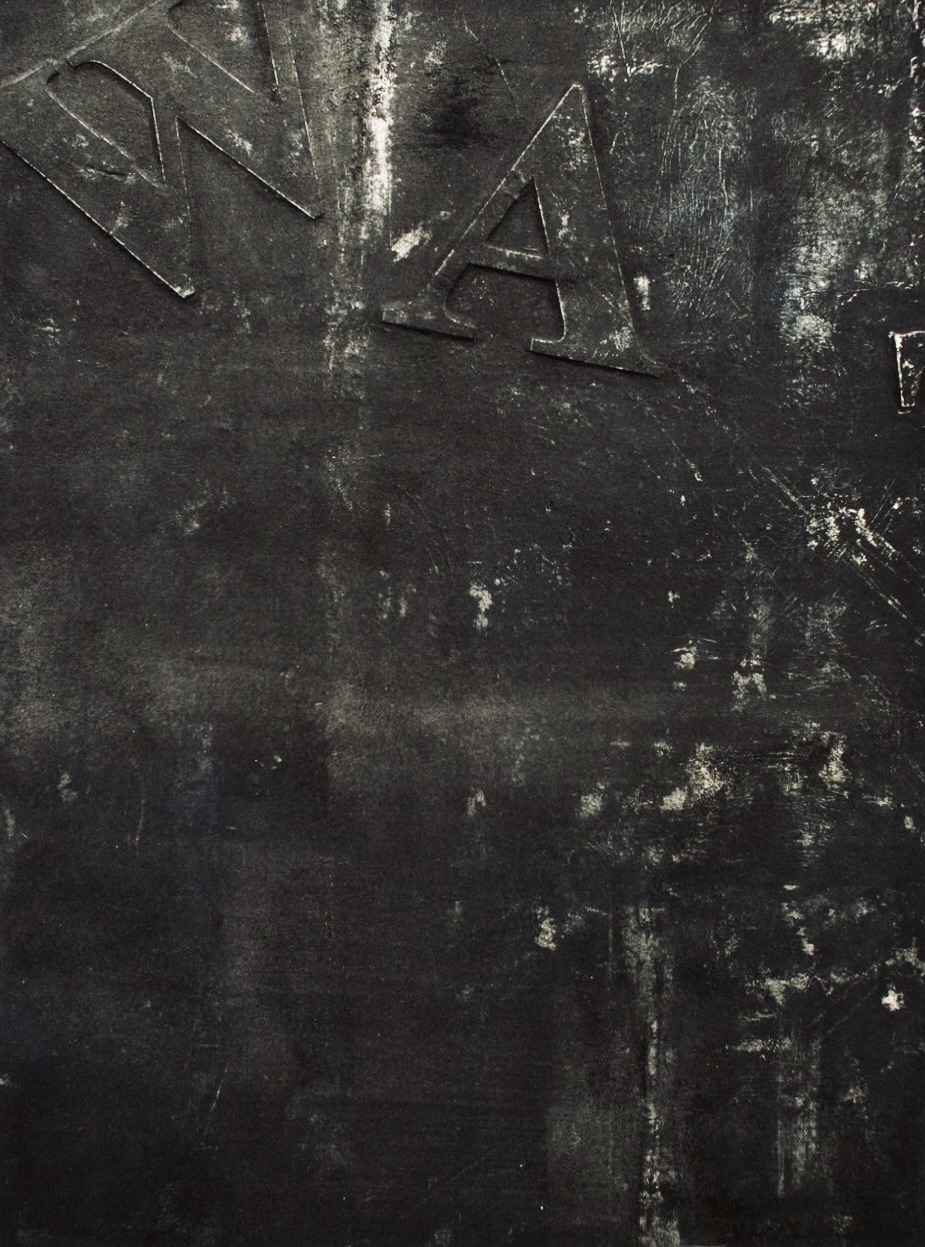
彼女が水道の水を手に受け止めたとき、それまでの世界の理解が崩れた。
その瞬間、彼女は「water(言語)」というものの本当の意味を初めて理解した。
彼女が獲得したのは、単なる物理的な感覚ではなく、まったく新しい種類の体験だった。
ヘレン・ケラーは幼い頃、言語の本当の意味を理解していなかった。
彼女は「ぬいぐるみ」「水」「コップ」といった言葉を学んでいたが、それらは目の前の一つ一つの物体を指し示すだけのものだった。
ある日、サリバン先生が水道の水を彼女の手にあて、「water」という文字をヘレン・ケラーの手のひらに書いた。
そのとき彼女は、言語の持つ力に気づいたのだ。
それまで彼女は、海の水、水道の水、コップの水をそれぞれ別のものだと考えていたが、この体験によって、それらがすべて同じ「水」という概念であることを理解した。
彼女は物事を汎化する力を身につけたのである。
これによって彼女は、具体的な物を指す固有名詞だけでなく、抽象的な概念を表す一般名詞の存在も認識するに至った。
この出来事は、彼女が言語の本質を理解するうえで大きな転機となったのである。
When she felt the water from the well, Helen Keller experienced a transformative moment that shattered her previous understanding of the world.
For the first time, she truly grasped the meaning of “water” as language.
What she gained was not merely a physical sensation, but an entirely new kind of experience.
As a child, Helen Keller did not fully understand the true nature of language; words like “doll,” “water,” and “cup” were simply labels for specific objects in front of her.
One day, her teacher, Miss Sullivan, placed running water on her hand and traced the word “water” on her palm.
In that moment, Helen realized the power of language.
She had previously thought that sea water, tap water, and the water in a cup were all separate things, but this experience led her to understand that they all shared the same concept of “water.”
She developed the ability to generalize, recognizing not only proper nouns for particular items but also common nouns that represent more abstract concepts.
This incident marked a pivotal turning point in her understanding of the essence of language.
The titles “Named” and “Unnamed” reflect the distinction between the ability to name an object (representing order) and the inability to name it (representing chaos).