The Beauty of Losing Control
 Kenji Shintaku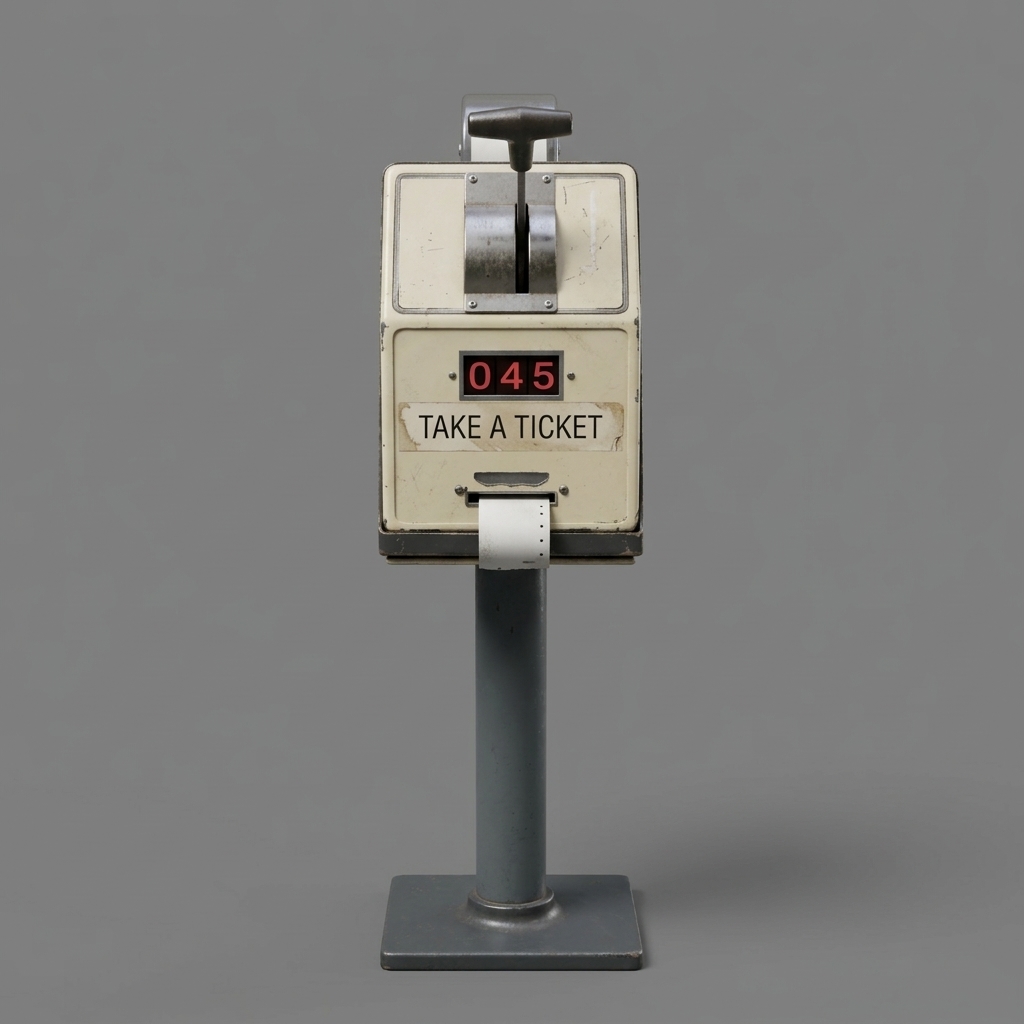
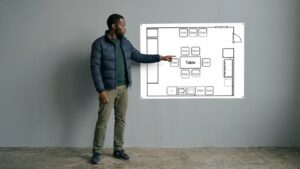
Today I was building the council office where the protagonist works.
While working on it, I generated a number ticket dispenser. Through trial and error with AI image generation, I ended up with a machine where you push a lever down and a ticket comes out. Not what I was going for. Unusable in the film. But I loved it anyway.
If I'd had something like this as a kid, I know exactly what would have happened — I would have spent the entire day pushing that lever up and down, delighted every single time a ticket came out.
Making things produces byproducts. Things that weren't in the script. Things you never aimed for.
Things that didn't come from inside you. But I think learning to enjoy those moments is part of what making things is all about.
I'm an artist. I've been painting Nihonga — traditional Japanese painting — for a long time.
Nihonga uses water. The way it spreads, bleeds, and pools changes with every brushstroke. The moment the brush touches the paper, the water moves somewhere beyond your control. Things don't go the way you planned. That happens constantly.
I once went to my mentor with a frustration I couldn't shake. "I can't paint the way I want to," I told her. "Nothing is going the way I intend."
He said: "Isn't that better?"
I've never forgotten those words.
Art has always made room for chance. Jackson Pollock let the movement of his body become part of the painting — the drips, the splatters, the accidents were the work. In Nihonga, the water makes its own decisions: unexpected lines, blooms of color spreading across the page, flecks of pigment landing where they will. All of it becomes part of the painting.
Because painting isn't just transferring what's in your head onto a surface.
The moment that first mark goes down, something begins — a back-and-forth, a negotiation. Like a fight. Like a live performance. You don't know what comes next. That uncertainty is exactly where the energy lives.
And somewhere in that exchange, something gets made that you never could have reached with your mind alone.
Working with AI image and video generation feels remarkably similar.
You write a prompt, look at what comes out, adjust, and try again. You're in constant dialogue between what you intended and what was generated. More often than not, it doesn't go the way you planned. But inside those misses, unexpected things appear.
Today's ticket machine was one of them.
Unusable in the film. But it's a machine where you push a lever and a ticket comes out, and something about it just makes you want to keep pushing.It came from things not going to plan.
That's what I kept thinking about today.
思い通りにならない喜び
今日は主人公が働いている市役所の空間を作っていた。
その空間を作る中で、番号札の発券機を生成した。
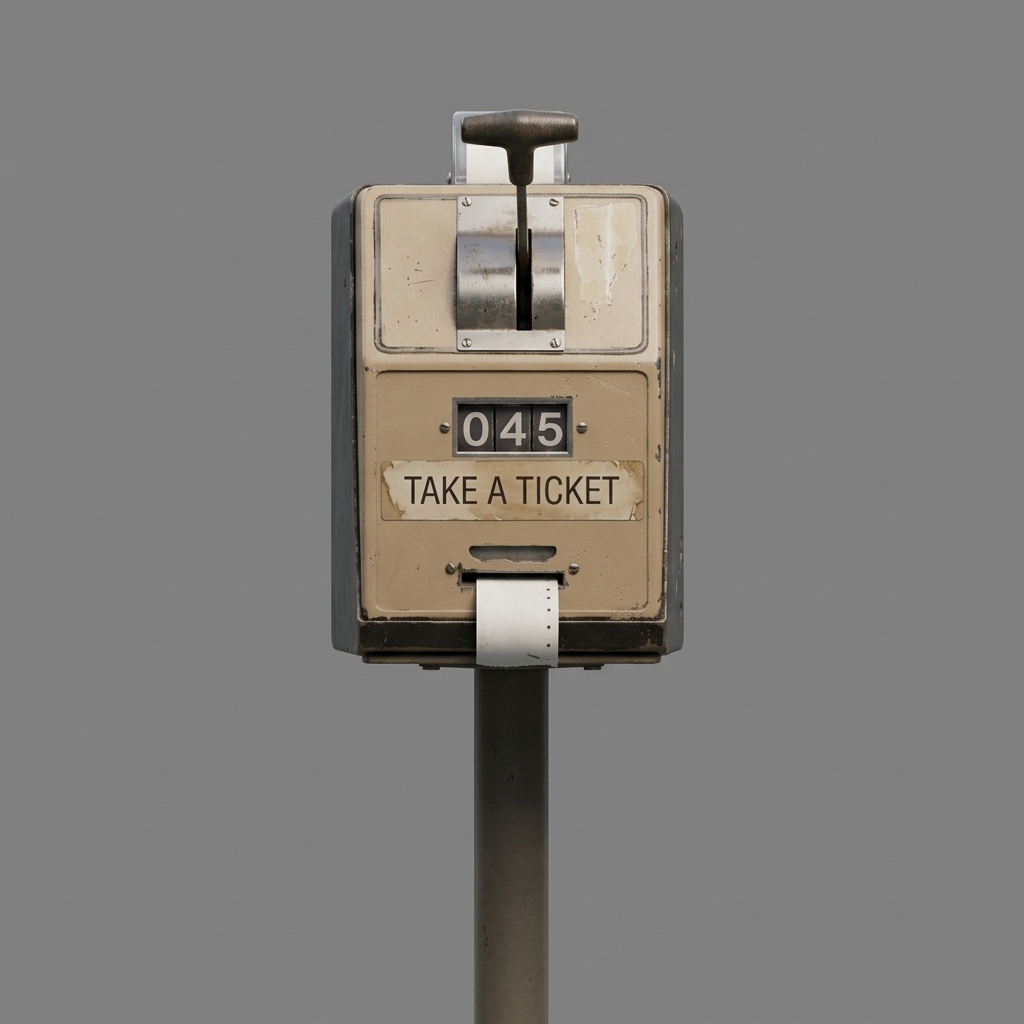
AI画像生成で試行錯誤していたら、バーを下に下げると番号札が出てくる仕組みの機械が生まれた。狙っていたものとは違う。映画には使えない。でも、できあがった機械がとても気に入った。
もし、子供の頃にこんな機械があったなら、バーを下ろすたびに番号札が出てくるのが嬉しくて、一日中バーを上げたり下げたりして遊んでいただろうと思った。
ものを作っていると、副産物が生まれる。脚本に書いていなかったもの。狙っていなかったもの。自分の中にないもの。でも、これを楽しむのも、ものづくりの醍醐味だと思っている。
私は絵を描く。日本画を長く描いてきた。
日本画は水を使う絵だ。水の量で滲みや広がりが変わる。真っ白い紙に筆を置いた瞬間から、水は自分のコントロールの外側へ動いていく。思い通りにならないことが、しょっちゅうある。
昔、恩師に相談したことがある。「思い通りに行かなくて、うまく描けない」と。
恩師はこう言った。
「思い通りに行かないほうがいいじゃん」
その言葉が、ずっと頭に残っている。
アートは時に、偶然性の力を取り入れる。西洋画ではジャクソン・ポロックが身体の動きに偶然性を取り入れた。日本画では、水が作る偶発的な線、面の広がり、飛沫が、絵の一部になる。
絵は、頭の中にあるものをただ出力する作業じゃない。
最初の一筆を置いた瞬間から、絵との駆け引きが始まる。格闘技みたいに。ライブの演奏みたいに。次の展開が読めない緊張感。
そのやりとりの先に、自分の頭の中にあるものだけでは絶対に辿り着けなかったものができる。
AI画像生成や動画生成の制作プロセスは、あの感覚にとてもよく似ていると思う。
プロンプトを書いて、出力を見て、また調整する。自分の意図と、生成されたものの間で対話を繰り返す。狙ったものが出ないことの方が多い。でもその「外れ」の中に、思いがけないものが生まれることがある。
今日の番号札機械も、そのひとつだった。
映画には使えないけれど、バーを下ろすと番号札が出てくる、ワクワクする機械。
思い通りにならず生まれたもの。
今日はそんなことを考えながら作業した一日だった。
Ranunculus Bakery
Chapter One — Coming Fall 2025 ABOUT THE FILM A story like the scent of freshly baked bread, for you who are doing your best to survive a difficult reality. Lo…
 SHAVASPACE